Land based cetacean journal
Watching the whales of the Minch from the land
A field journal of the whales, dolphins and porpoises of the north Minch and the north west coast of Scotland: which species pass, in which months, and how sea state, swell and glare decide what a watcher on a headland can actually see. Kept from the shore, not from a deck.
Kept from land · 10 species · 5 watch points · seasons and sea state
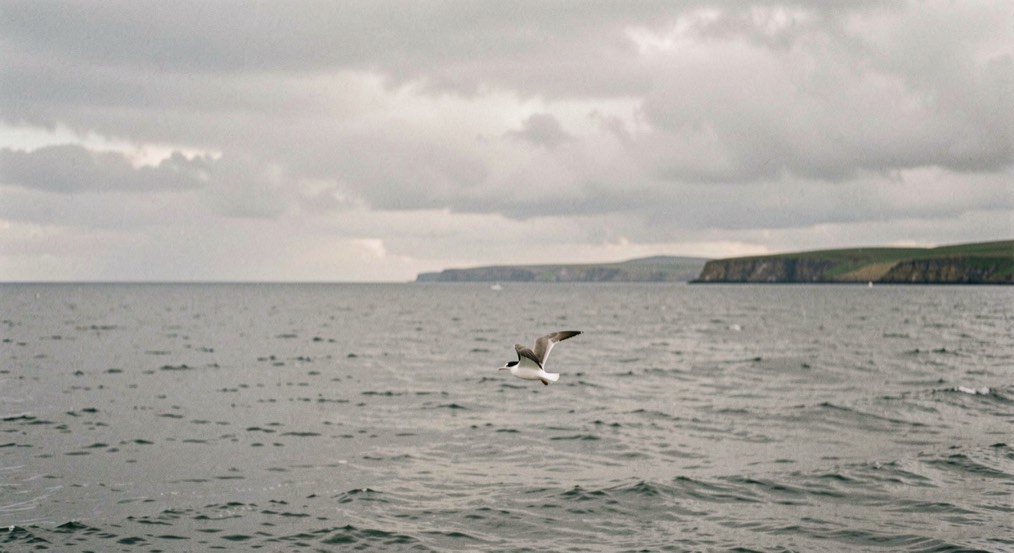
01-03The three registers
What passes this coast, where it can be watched from land, and what the year does to both.
-
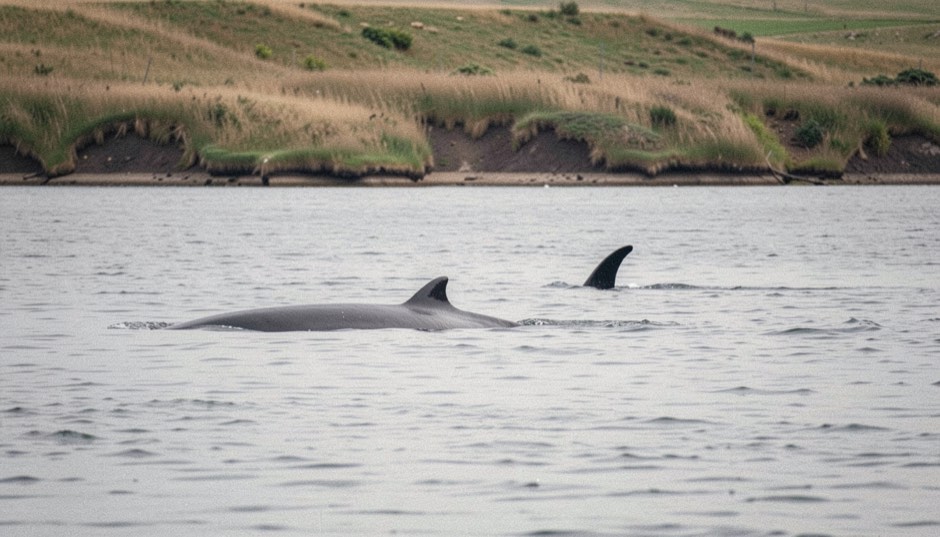
· Species
The species of the north Minch
Ten animals, ordered by how often a shore watcher meets them, and described by what is visible at a distance: the fin, the blow, the roll and the company they keep.
-
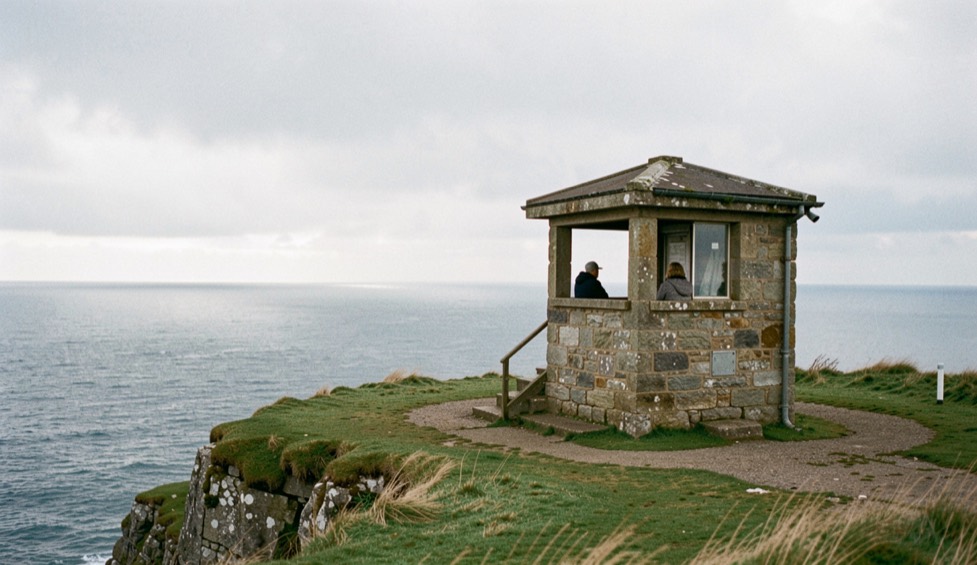
· Watch points
The shore watch points
Five places on the Minch where the Hebridean Whale Trail sends watchers, described by what they offer a pair of eyes: depth close in, height above the water, and shelter from the prevailing wind.
-
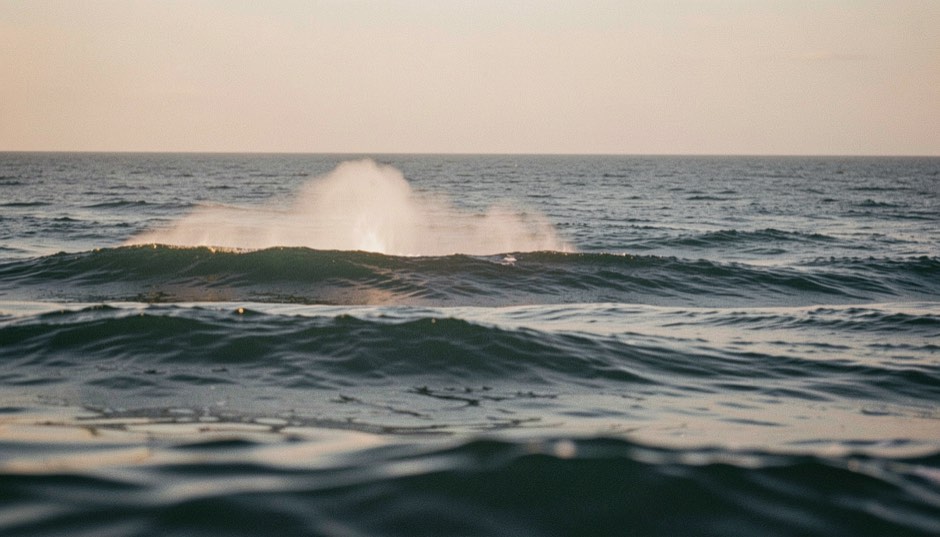
· Seasons and sea state
Seasons, sea state and light
The year decides what is out there. The morning decides how much of it you can see. Both are recorded on a standard scale, and both are worth learning.
LOGThe log
Everything this journal keeps, dated, newest first, with the entries read elsewhere among them.
-
· Seasons and sea state
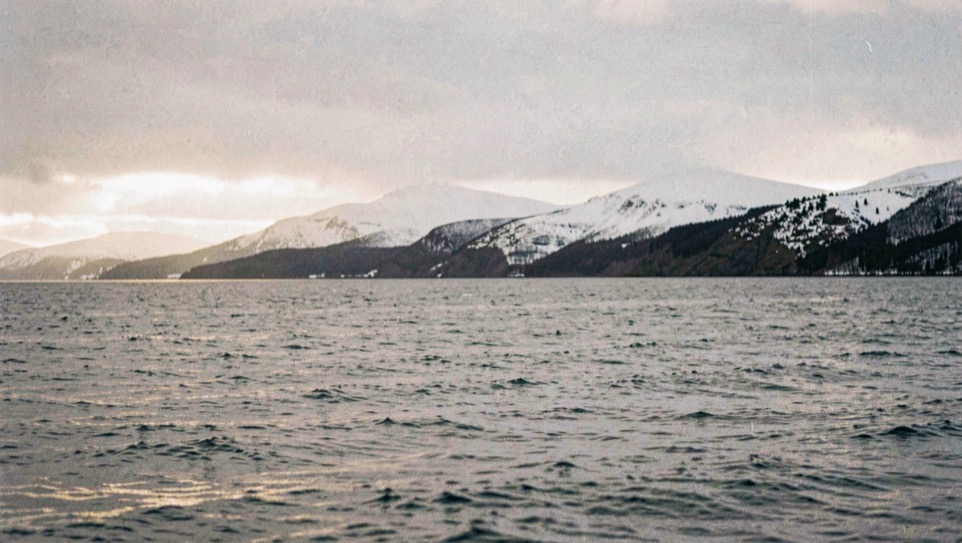
Winter shore watching on this coast
The season people write off. The resident animals do not leave, the light is low and clean, and the standardised watches keep going through it.
-
· Seasons and sea state
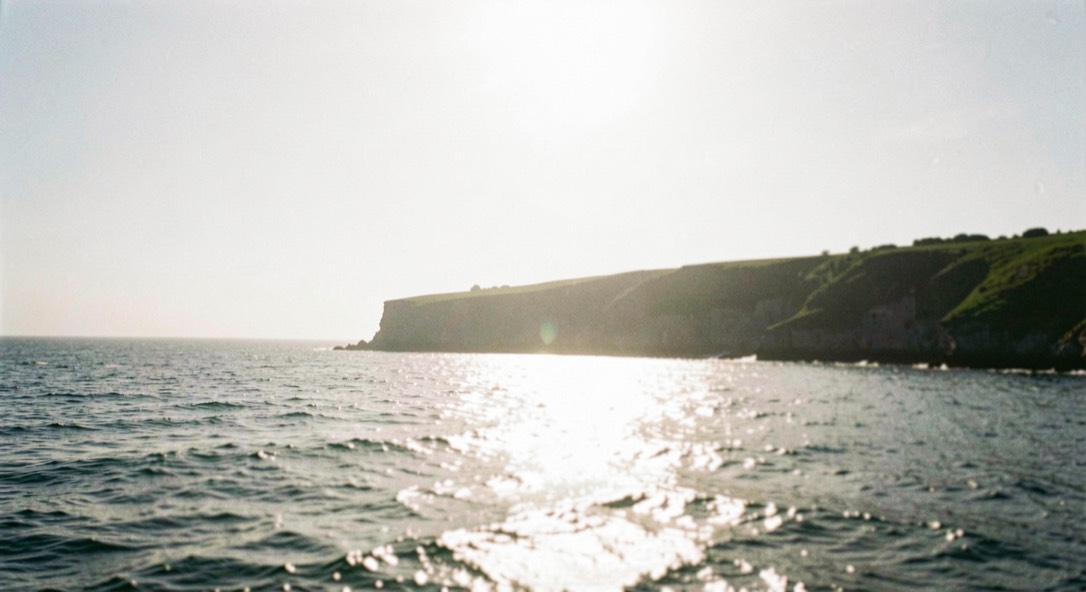
Summer on the Minch: peak, haze and glare
The season when the animals are least of the problem. What costs a summer watcher a sighting is usually the sun, the crowd or the hour of the day.
-
· Seasons and sea state
The north Minch season, month by month
Eight of the ten species in this journal are recorded in every month of the year. The season is therefore not about presence. It is about peaks, and there are only four of them.
-
· Watch points
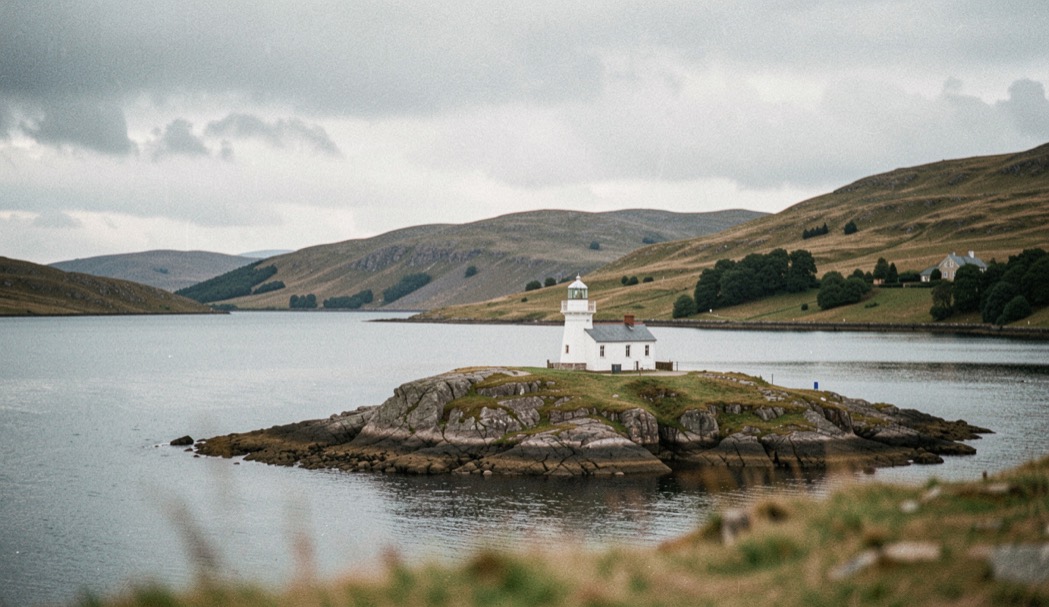
Rhue and Loch Broom: the sheltered option
A sea loch inside a harbour porpoise Special Area of Conservation, a lighthouse with a view to the Summer Isles, and a standardised watch already in place.
-
· Watch points
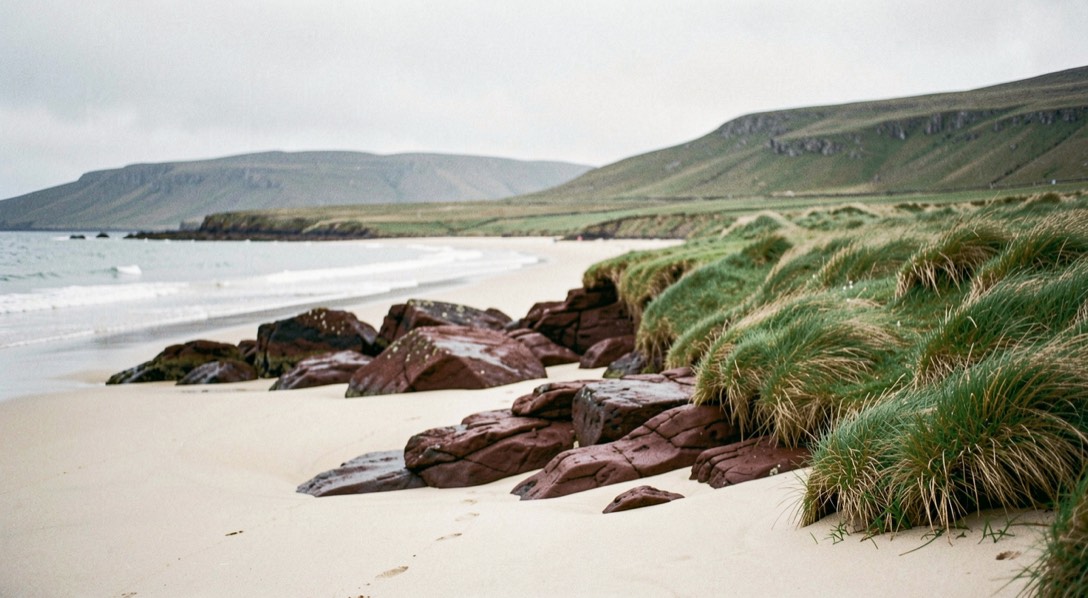
Clachtoll: a low shore on the Assynt coast
The lowest watching position in this register, and the one with the strangest published reason for its animals: channels cut into the seabed by ice.
-
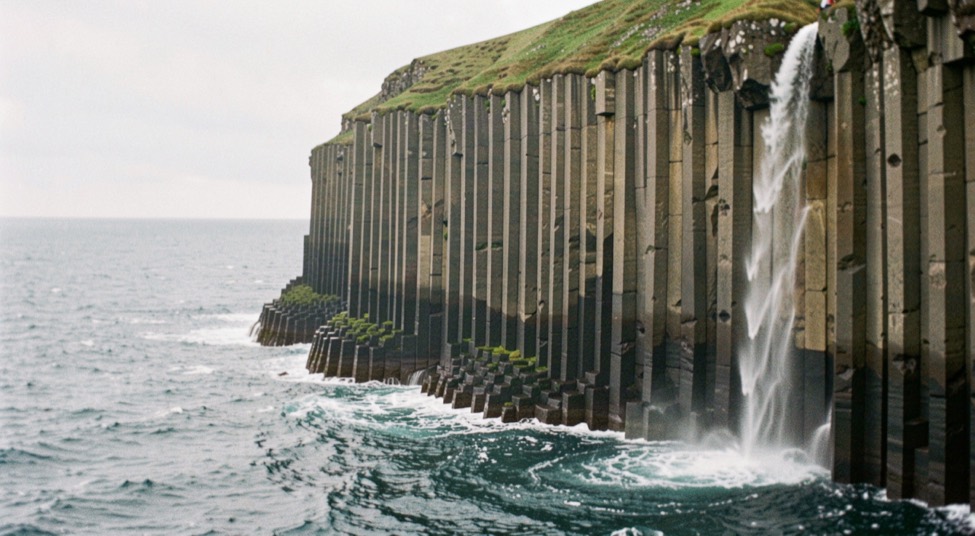
· Watch points
Kilt Rock: height over the Sound of Raasay
One of the few places in the UK where very deep water sits this close to a road, and the only site in this register where the problem is looking down rather than out.
-
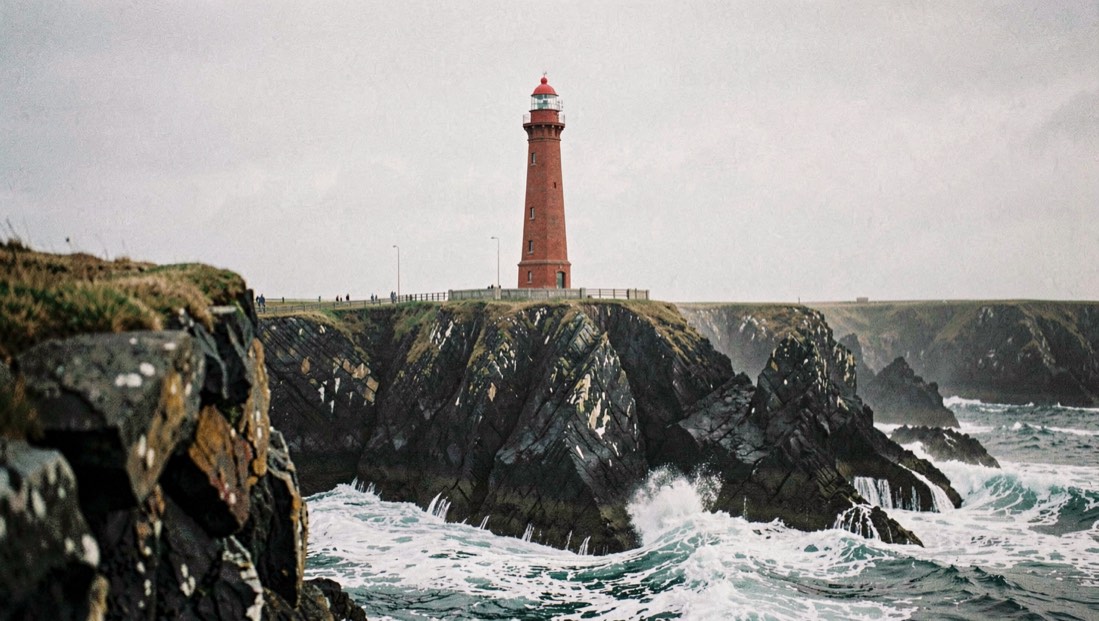
· Watch points
The Butt of Lewis: watching from the edge
The most exposed position in this register, with the widest field of view and the least shelter. Good spotting is possible without leaving the car park.
-
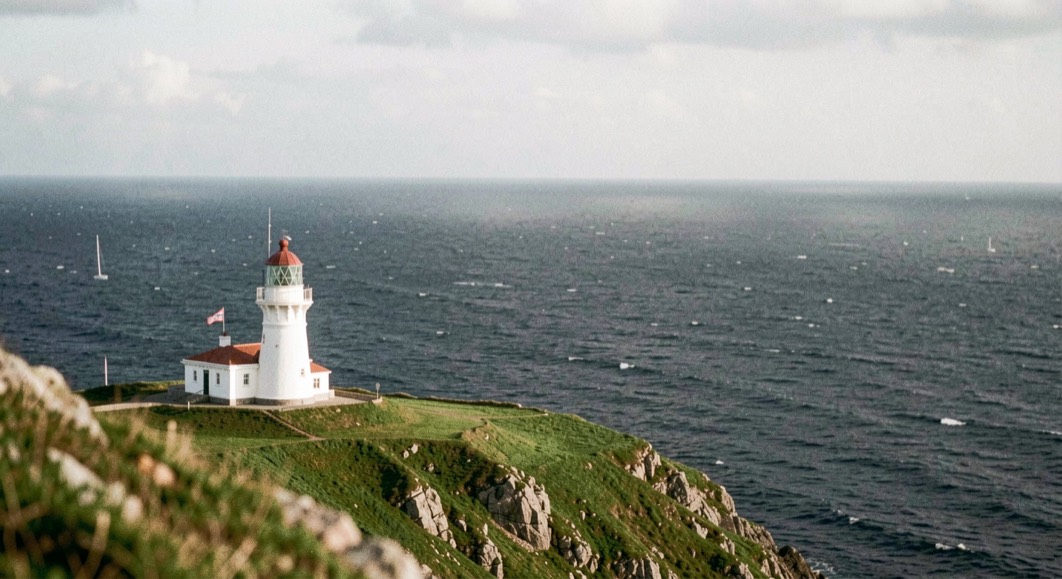
· Watch points
Tiumpan Head: deep water under a lighthouse
Water that drops away sharply a few hundred metres from your feet, a Risso’s dolphin protected area offshore, and a car park that fills by ten.
-
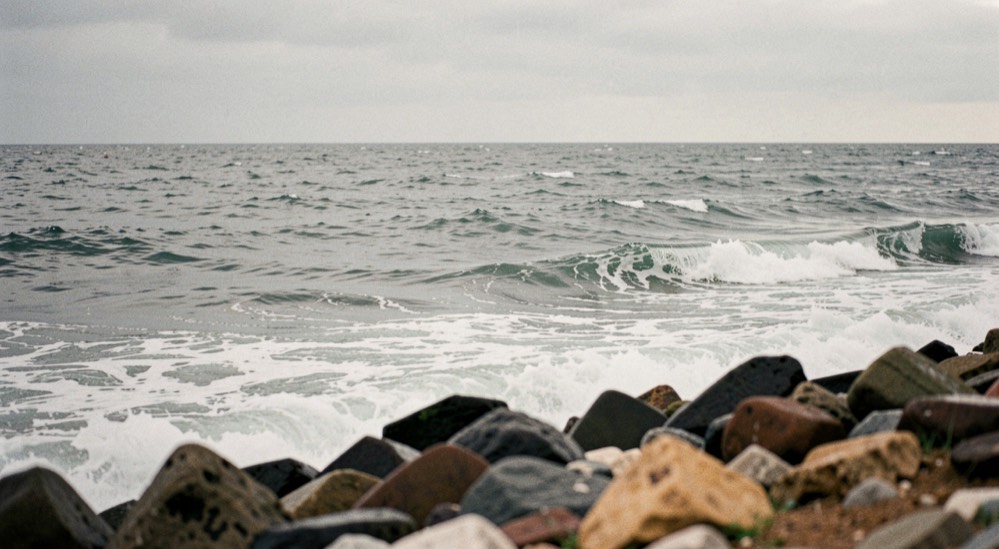
· Seasons and sea state
Sea state, and what each step hides
One number, from zero to seven, explains more about a blank afternoon than any other single thing a shore watcher can write down.
-
· Species
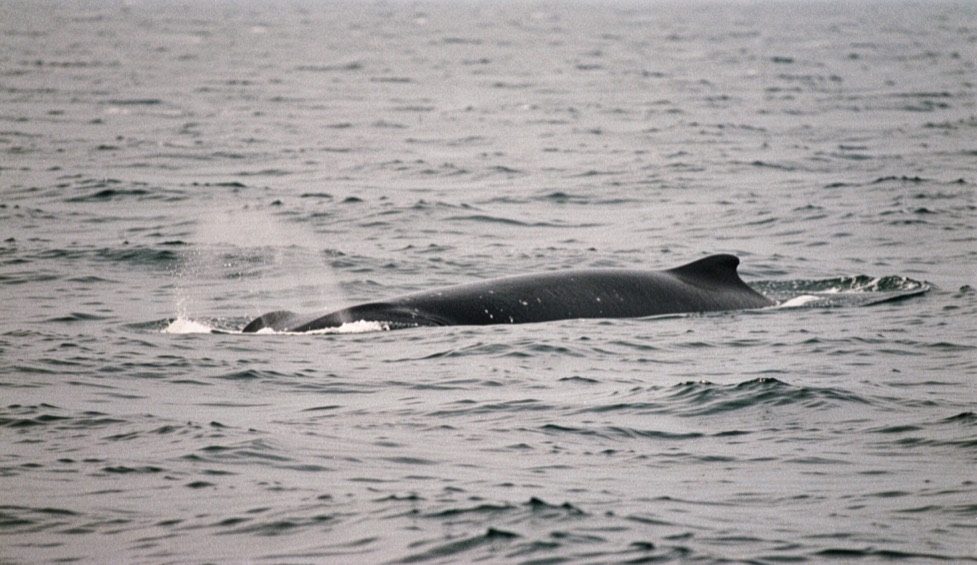
Sperm whales beyond the Outer Hebrides
A deep water whale that belongs beyond the shelf. Very rare here, unmistakable when it appears, and most often met on this coast as a stranding.
-
· Species
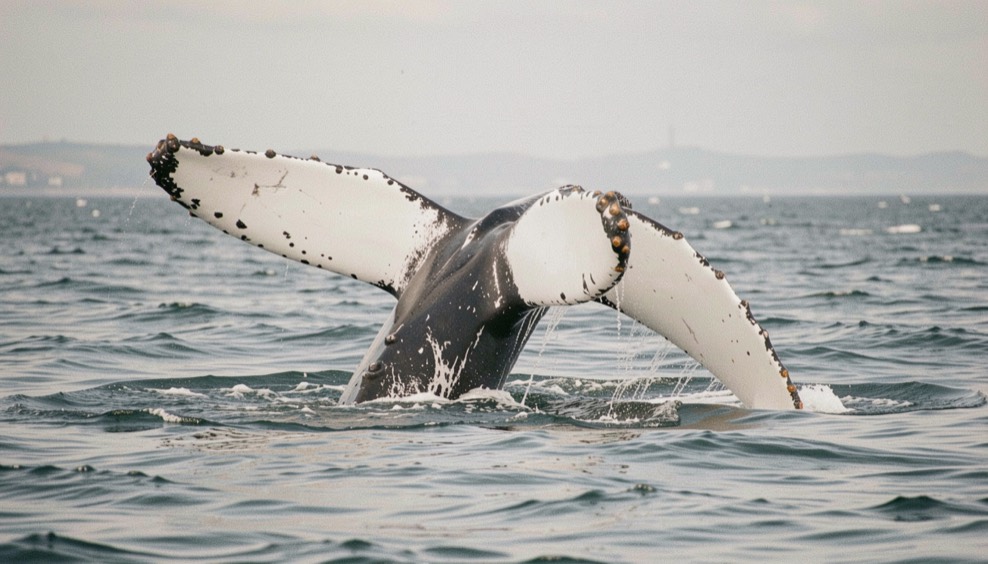
Humpback whales on the north-west coast
Still rare in UK waters, still recovering from whaling, and the one large whale here that announces itself: a four metre blow and a lifted tail.
-
· Seasons and sea state
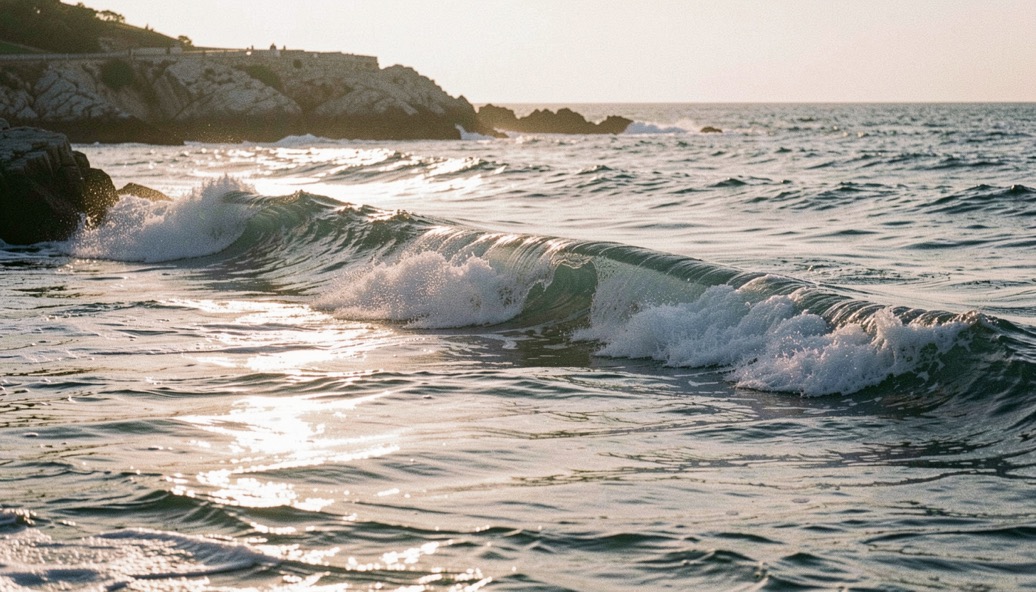
Swell, visibility and glare on a shore watch
Sea state gets the attention. Swell hides animals in troughs, haze eats the far half of the sector, and glare removes the method altogether.
-
· Species
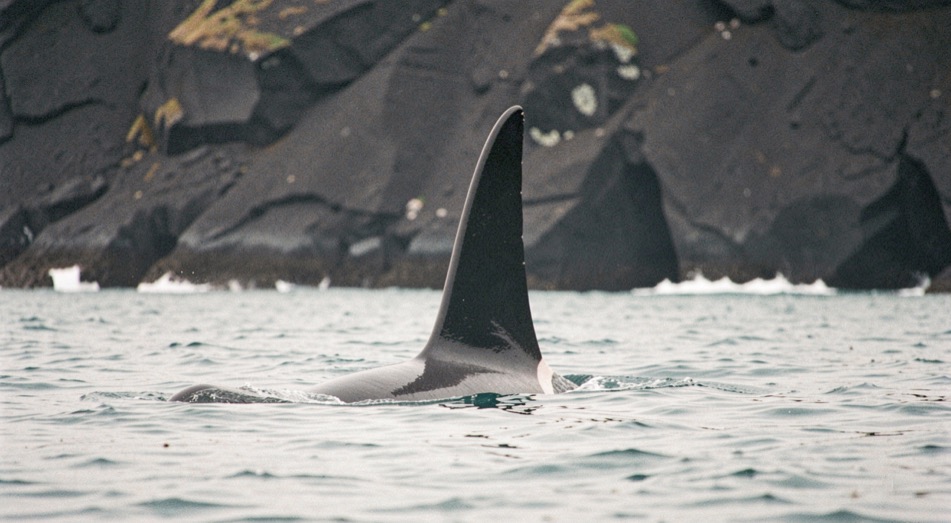
Killer whales of the Hebrides from a headland
Eight resident animals, no calves in living memory, and visitors from Shetland, Orkney, Iceland and Norway. The rarest sighting here that is also the easiest to identify.
-
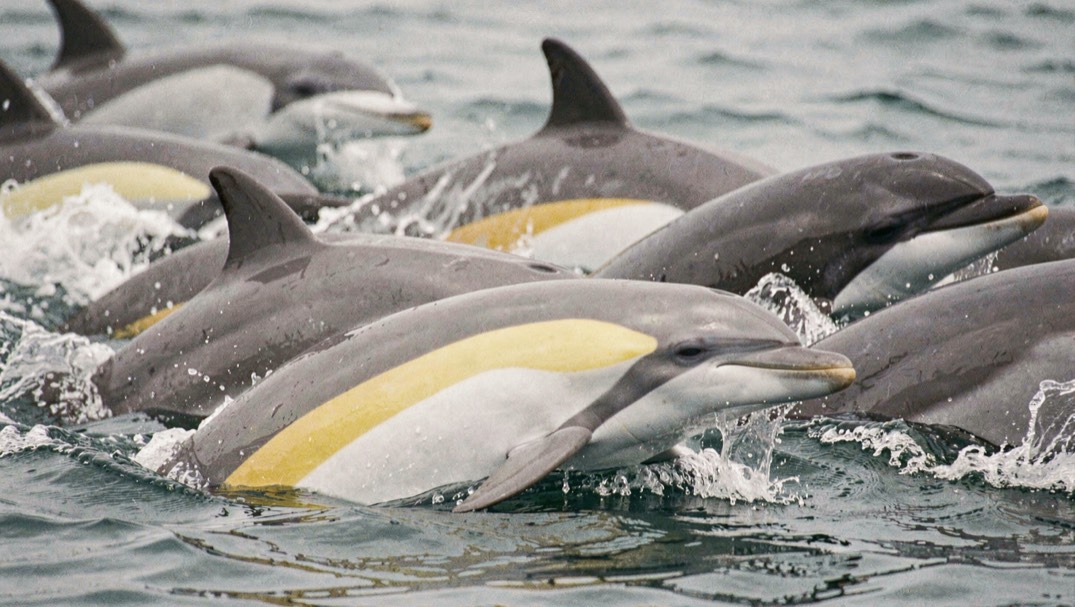
· Species
Atlantic white-sided dolphin: the yellow blaze
A shelf edge dolphin with the most sharply delineated markings of any animal in these waters, and the one you are least likely to see from a headland.
-
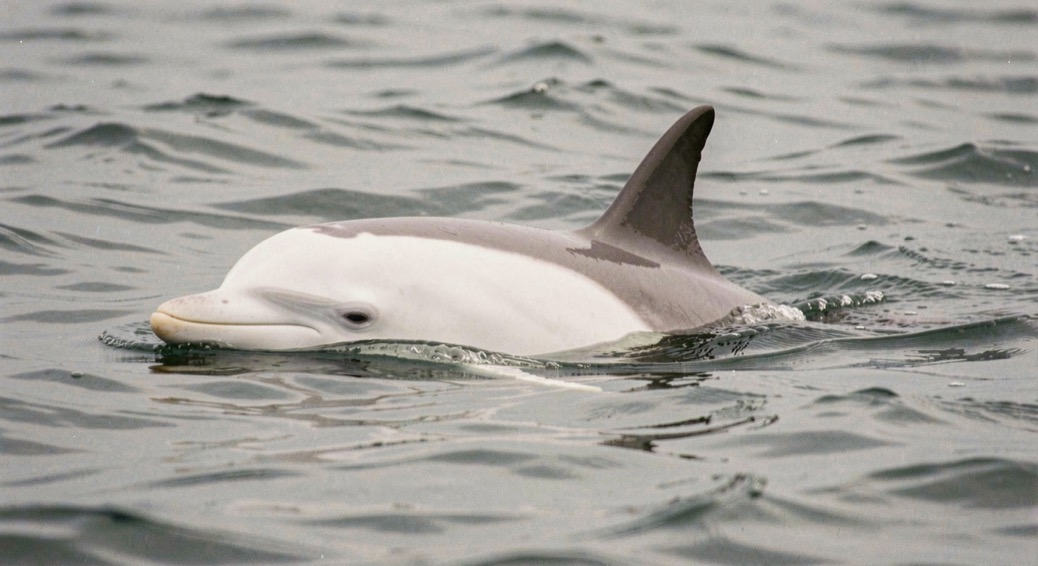
· Species
White-beaked dolphin: a cold water dolphin
A powerful North Atlantic dolphin whose numbers here may be falling as common dolphin numbers rise. The saddle patch is what settles it.
-
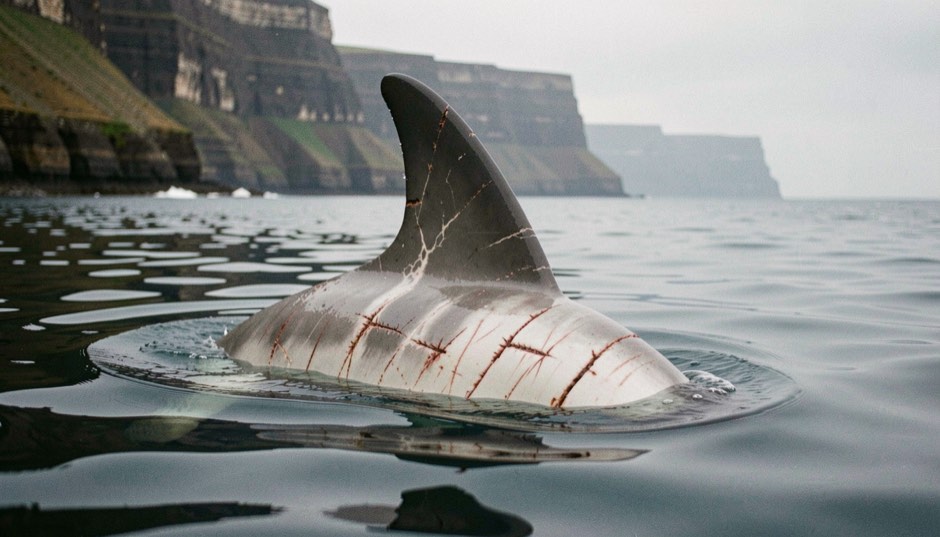
· Species
Risso’s dolphin: the scarred grey of deep water
The dolphin that gets whiter as it gets older, feeds on squid at night, and has a Marine Protected Area on this coast designated for it.
-
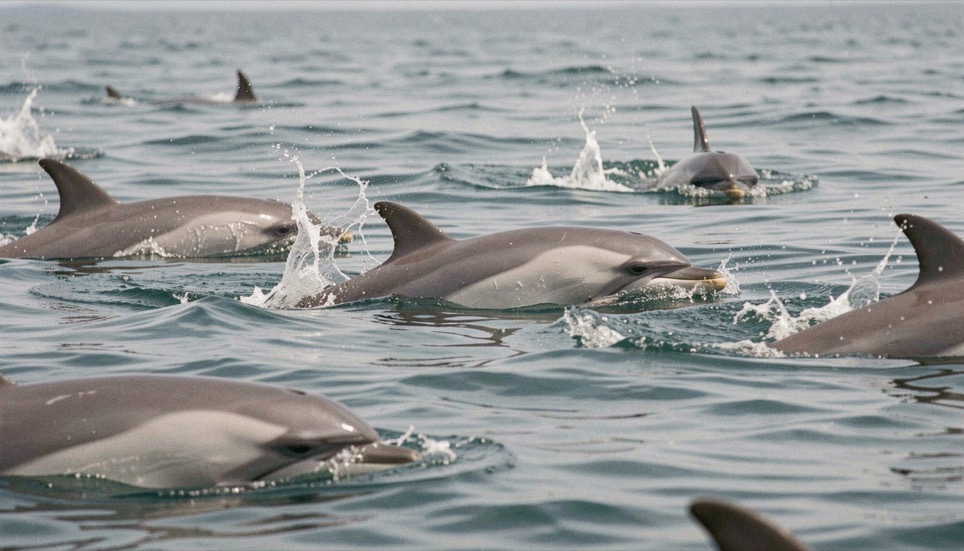
· Species
Common dolphin: the hourglass of the open Minch
The one species on this coast that a watcher usually detects before identifying: a distant line of white water that turns out to be thirty animals in a hurry.
-
· Species
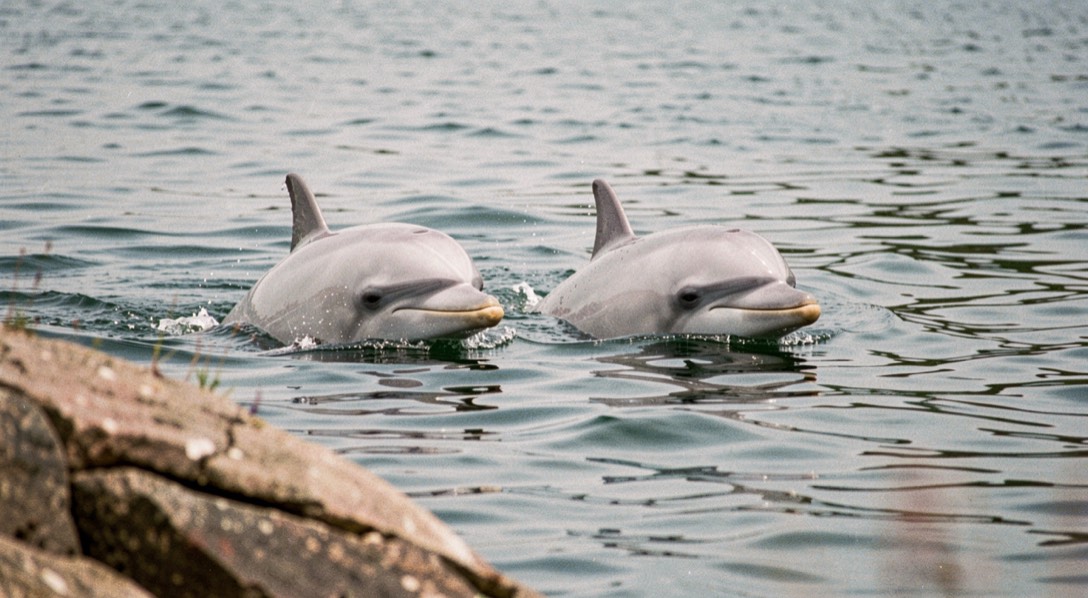
Bottlenose dolphins of the west coast
Bigger than the dolphins most people expect, tied to headlands and bays, and counted in tens rather than in thousands on this coast.
-
· Species
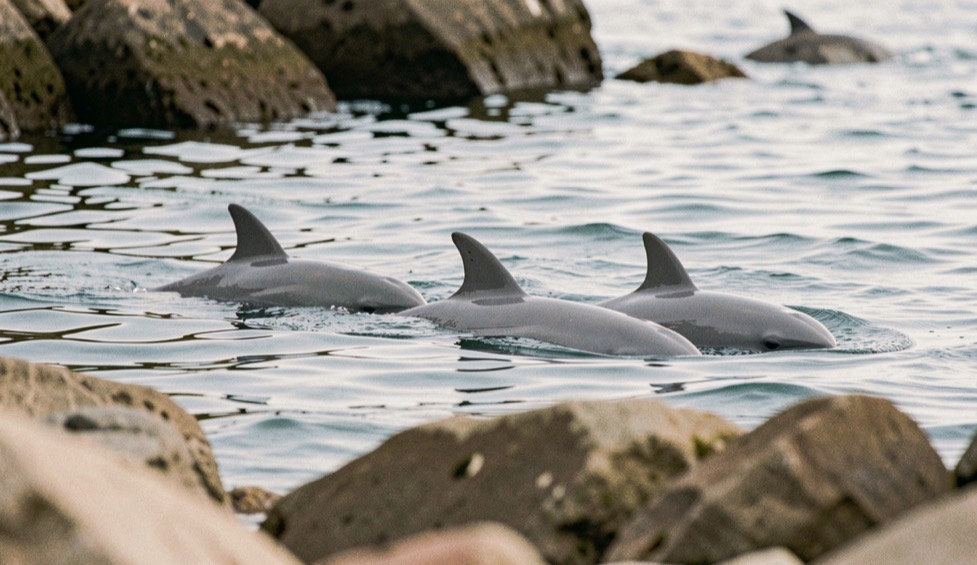
Harbour porpoise: a small roll, close in
Recorded in every month of the year in the Hebrides, present in numbers among the highest in Europe, and invisible above sea state 2. The porpoise is a lesson in conditions.
-
· Species
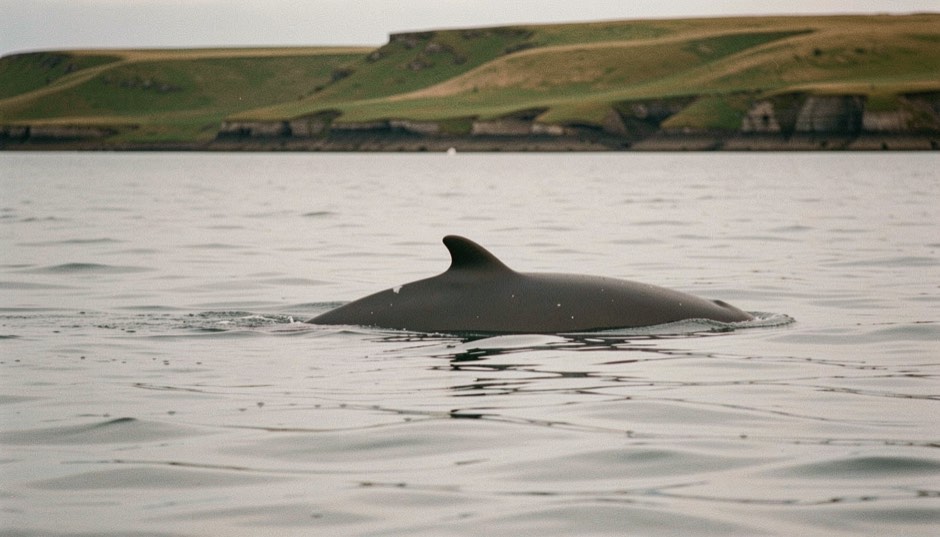
Minke whale in the north Minch, from land
The large whale a shore watcher on the Minch is most likely to meet, and the one most often missed, because it does not announce itself with a blow.
KEPTKept up to date
The pages revised as the season moves, not left behind by it.
-
· Seasons and sea state
The north Minch season, month by month
Eight of the ten species in this journal are recorded in every month of the year. The season is therefore not about presence. It is about peaks, and there are only four of them.
-
· Species
Minke whale in the north Minch, from land
The large whale a shore watcher on the Minch is most likely to meet, and the one most often missed, because it does not announce itself with a blow.
-
· Watch points
Tiumpan Head: deep water under a lighthouse
Water that drops away sharply a few hundred metres from your feet, a Risso’s dolphin protected area offshore, and a car park that fills by ten.
-
· The journal
About North Minch Shore Watch
A journal kept from land, by watchers, about what passes the coast: which species, in which months, and what the sea state allows.
This journal is a third party account of what passes the coast: The Shore Watch desk keeps it and answers for it. the season page is the page every season note leans on, and the contact page reaches the desk.