Register 03 · Seasons and sea state
Seasons, sea state and light
The year decides what is out there. The morning decides how much of it you can see. Both are recorded on a standard scale, and both are worth learning.
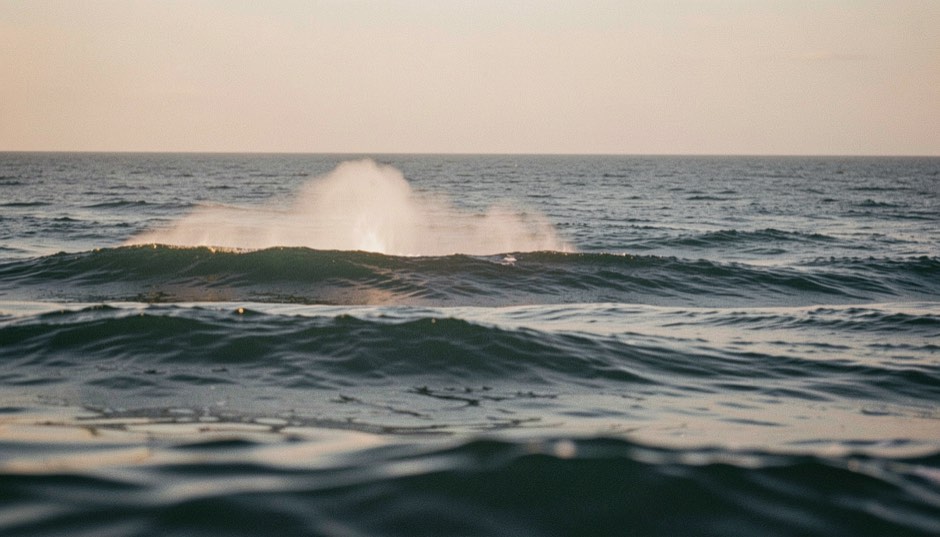
Two different questions get confused on this coast. The first is which animals are present, which is a matter of the month. The second is how many of the animals that are present you will actually detect, which is a matter of the surface, the swell and the sun. A June morning at sea state 5 will show you less than a February morning at sea state 1, and no amount of patience changes that.
This register answers both. The month by month page sets out what the recorded seasonality looks like across the year, from the June and July peak in minke whale sightings that the Whale and Dolphin Conservation Shorewatch analysis describes, to the late summer rise in Risso’s dolphin records off north east Lewis, to the late autumn and winter pulse in humpback reports.
Two seasons then get an entry of their own, because they ask different things of a watcher. Summer is the crowded season and the one where glare, not absence, is usually what costs you a sighting. Winter is the season most people write off, and it is the season in which the resident animals of the Minch are still there and the light is at its most useful, for the few hours it lasts.
The two remaining entries are about detection rather than about animals. One works through the sea state scale that the Sea Watch Foundation uses on its land based recording form, from mirror calm at zero to white foam blowing in streaks at seven, and explains what each step hides. The other covers the three conditions the same form asks a watcher to record alongside it: swell height, visibility and glare.
Learning those four scales is the single change that most improves a shore watcher’s results, because it turns an afternoon of staring into a record that means something, including on the afternoons when nothing surfaces at all.
In this register
-
· Seasons and sea state
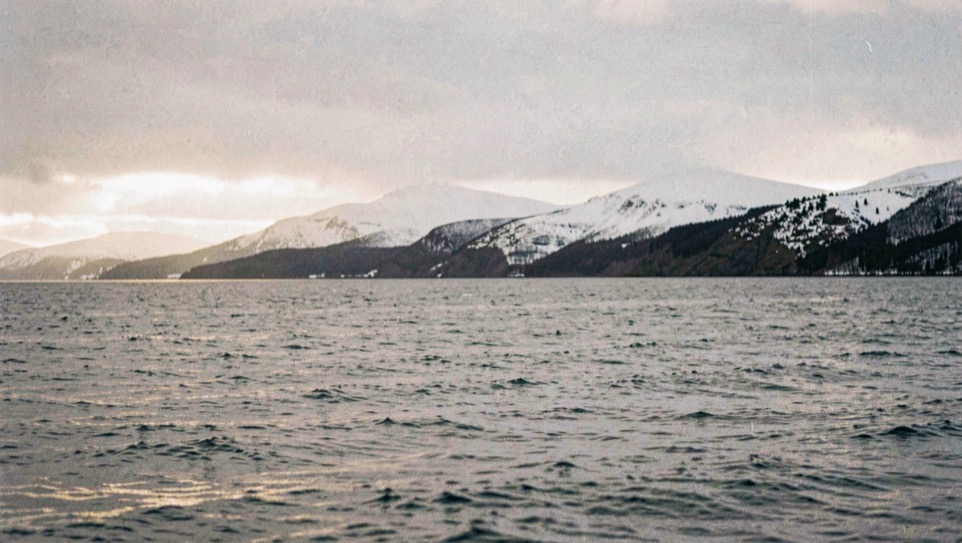
Winter shore watching on this coast
The season people write off. The resident animals do not leave, the light is low and clean, and the standardised watches keep going through it.
-
· Seasons and sea state
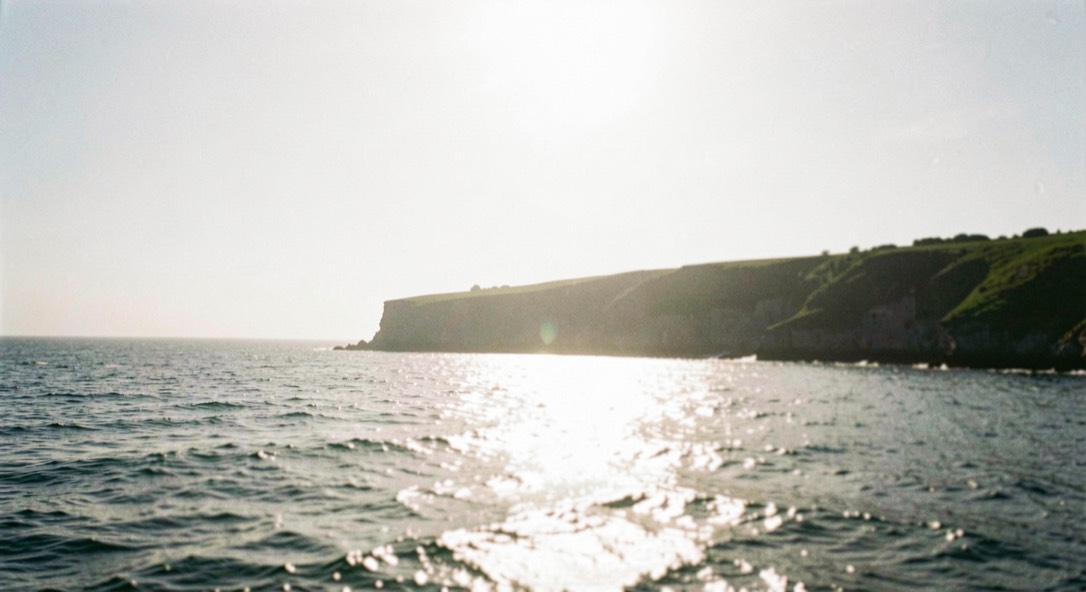
Summer on the Minch: peak, haze and glare
The season when the animals are least of the problem. What costs a summer watcher a sighting is usually the sun, the crowd or the hour of the day.
-
· Seasons and sea state
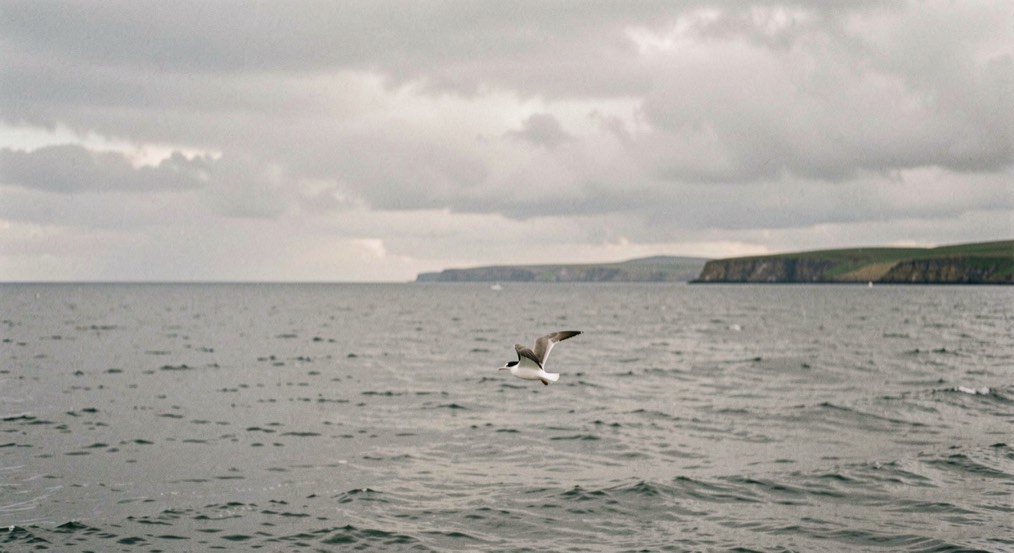
The north Minch season, month by month
Eight of the ten species in this journal are recorded in every month of the year. The season is therefore not about presence. It is about peaks, and there are only four of them.
-
· Seasons and sea state
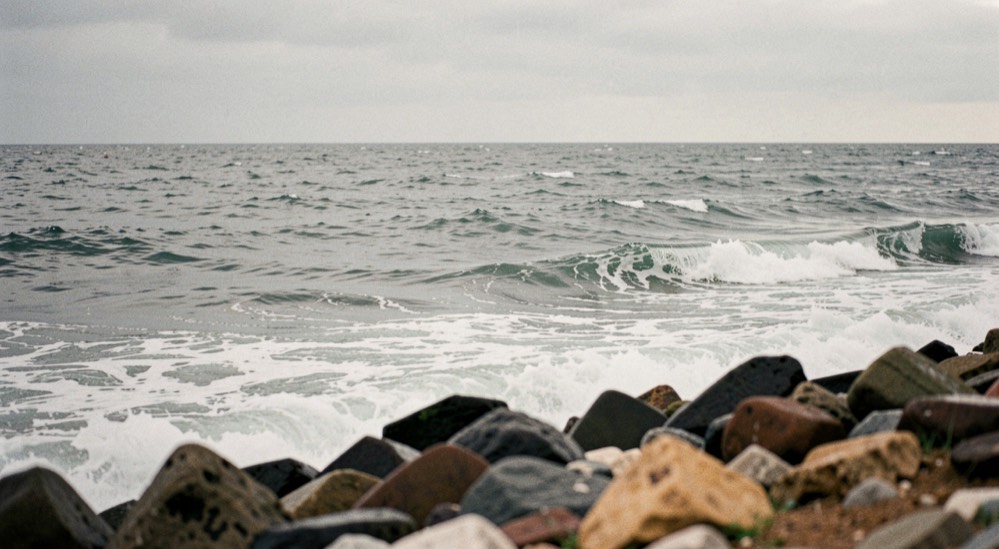
Sea state, and what each step hides
One number, from zero to seven, explains more about a blank afternoon than any other single thing a shore watcher can write down.
-
· Seasons and sea state
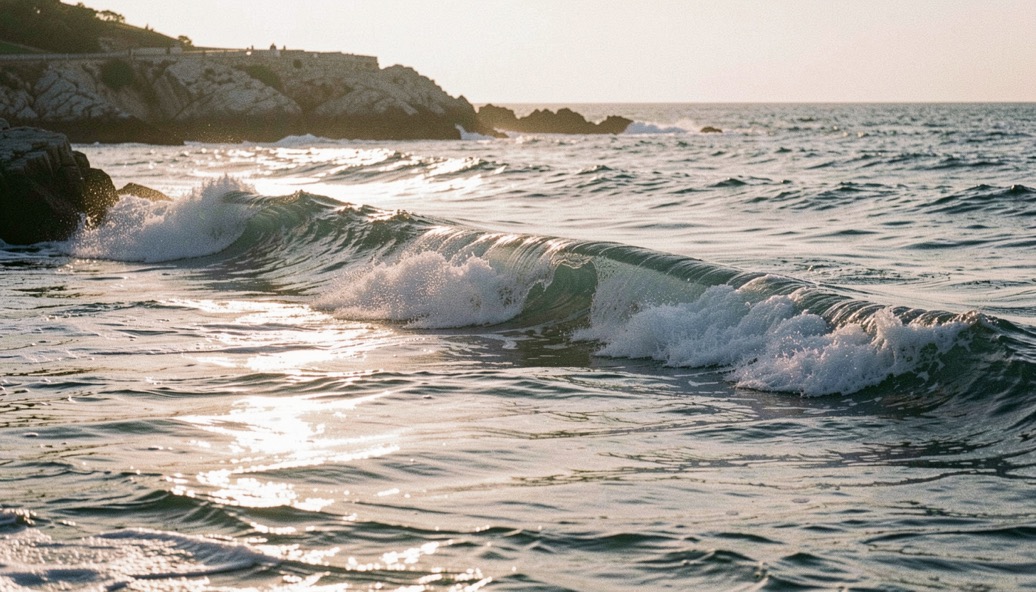
Swell, visibility and glare on a shore watch
Sea state gets the attention. Swell hides animals in troughs, haze eats the far half of the sector, and glare removes the method altogether.